Personalized plastic surgery, laser & anti-aging care in Haeundae, Busan
en-US

Stem Cell MCT Injection Korea: Candidacy and Process
Stem cell MCT injection in Korea explained: what Meta Cell Technology adds, who TAE Plastic Surgery Clinic considers a candidate, and what a visit involves.
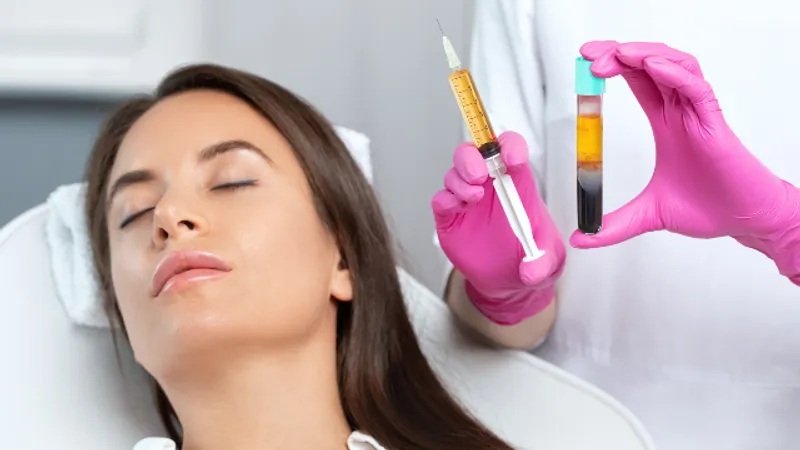
Stem Cell MCT Injection: What It Is and Who Is a Candidate
Medically reviewed by Dr. Kim Ki-Tae, Board-Certified Specialist in Plastic Surgery, issued by the Korean Society of Plastic and Reconstructive Surgeons
Stem cell MCT injection in Korea is an injection-based regenerative treatment that delivers biological material taken from the patient's own body to targeted areas, with a processing step applied to that material before it goes back in. TAE Plastic Surgery Clinic in Haeundae, Busan offers it within its regenerative and anti-aging range. Because "stem cell" is a term that carries more weight in marketing than it often does in clinical detail, this article separates what the treatment involves, what the clinic's certification covers, and who is considered suitable.
What a stem cell is, before anything else
Start with the vocabulary, because it is where most confusion begins. MedlinePlus, the consumer health service of the National Library of Medicine, describes stem cells as cells with the potential to develop into many different cell types, serving as a repair system for the body. They differ from other cells in three ways: they can divide and renew themselves over a long period, they are unspecialized and so perform no specific function, and they have the potential to become specialized cells such as muscle, blood or brain cells.
The same source is measured about where the science stands. Stem cells may one day be used to make cells and tissues for therapy across a wide range of conditions, and studying them may explain how serious diseases arise — the language throughout is of research and potential rather than established treatment. That framing is the right one to carry into any consultation about a regenerative aesthetic procedure, and it is why this article describes a process and a candidacy assessment rather than a set of promised outcomes.
What the MCT step actually adds
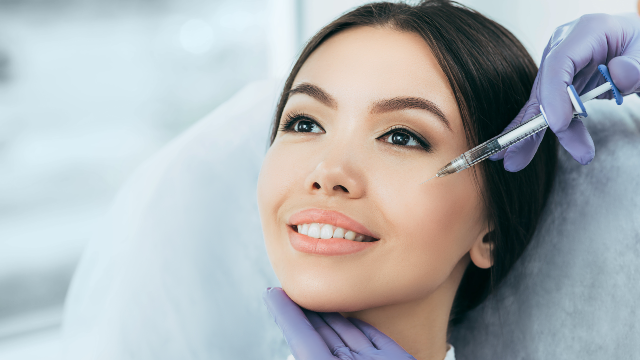
MCT here stands for Meta Cell Technology, and it names a processing step rather than a substance. The clinic describes it as photothermal bio-modulation: controlled light and thermal energy applied to the patient's own harvested material to raise cell vitality and increase the release of growth factors before that material is micro-injected.
The comparison the clinic itself draws is with conventional platelet-rich plasma. Both approaches use the patient's own biological material. What the clinic states distinguishes this one is that the material is further processed and activated before injection, with the aim of enhancing growth-factor and exosome release rather than injecting the harvested preparation as it comes. Whether that step matters for a given indication is a clinical question, and the honest framing is that it is a difference in preparation, not a different category of treatment.
The certification that sits behind it
One fact here is unusually concrete for a regenerative service. The clinic is recorded as an officially certified clinic for anti-aging procedures using the GPS III concentration system — a certification attached to a named processing system rather than a general claim about expertise.
It is worth being precise about what a certification of that kind does and does not say. It records that the practice has met the requirements attached to using that system. It is not a statement about how well any individual will respond, and it should not be read as one. Read correctly, it is a reason to ask better questions at consultation: which system is being used for your treatment, what it does to the material, and why that has been chosen for your indication.
Who the clinic considers a candidate
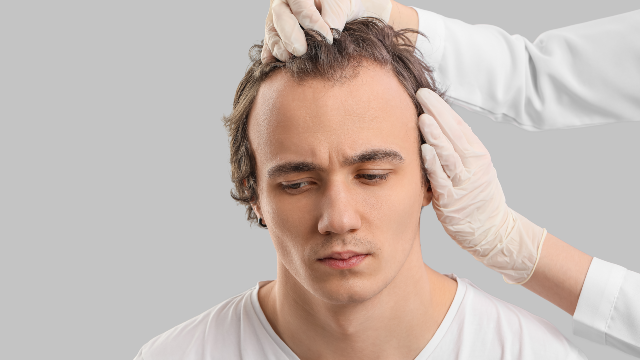
The candidate description is specific. It names people with signs of facial aging, fine lines, loss of tissue volume, dull-looking skin, hair loss, or a damaged skin barrier, who want a regenerative approach using their own biological cells. More generally, the treatment is described as best suited to mild to moderate concerns in the treated area, in people who prefer a gradual change with limited downtime.
That last clause is doing real work. This is not a treatment positioned to compete with a surgical result, and a patient whose goal is a structural change is being pointed at the wrong service. Suitability is confirmed individually, with the clinician reviewing medical history, treatment goals, current medications and any relevant examination findings before deciding whether treatment is appropriate at all.
Requests for an individual assessment go through the clinic's consultation request page, and for an international patient the preparatory material matters: high-resolution front and side facial photographs, medical history and a current medication list are what allow a pre-procedure safety assessment to be made before you travel.
Who should postpone or avoid it
The clinic lists active skin infection at the treatment site, uncontrolled systemic disease, blood disorders, active malignancy, and severe needle phobia as reasons to delay or avoid treatment. Suitability otherwise depends on medical history, current conditions, medications, infection status and the specific indication, and requires clinical assessment rather than self-selection.
The American Academy of Dermatology's general guidance on cosmetic treatment safety applies with particular force to procedures involving harvested biological material: establish who will perform the procedure, what their training is, and what is realistic for you specifically before agreeing to anything.
What the visit involves
The whole process takes approximately two to three hours. That covers the harvesting step — drawing blood or taking fat — then the photothermal activation of the material, then targeted micro-injections into the planned areas.
Comfort is managed with topical numbing cream or targeted local anesthesia for the skin injections, which the clinic compares to a routine blood test or fine needle pricks. Where treatment is combined with a larger fat-harvesting step, mild conscious sedation may be offered instead. Preparation is straightforward: arrive well hydrated, eat a light meal before blood is taken, and avoid strenuous exercise immediately beforehand. Alcohol, smoking, aspirin, ibuprofen and blood-thinning supplements are generally avoided for three to seven days before the harvest to limit bruising.
For a traveling patient, the practical shape is short. A stay of two to three days covers consultation, harvesting, processing and the injection session, and most patients can clear air travel the same day or the day after.
Recovery and the timeline afterward
Minor redness and small needle marks resolve within roughly twenty-four to seventy-two hours. Any bruising and swelling generally clear within one to two weeks. How quickly this happens differs between people, and the clinic reviews it at a follow-up visit usually scheduled within three to seven days to check early healing and skin condition.
The changes the clinic describes build in stages rather than appearing at once: early improvement in skin hydration and radiance within one to two weeks, more noticeable change in texture over roughly four to twelve weeks, and the fullest effect maturing between three and six months. In the week after treatment the clinic asks patients to avoid intense workouts, saunas and steam rooms, direct sun, alcohol, and vigorous scrubbing of the face.
Bruising after an injection procedure is worth understanding rather than being alarmed by. MedlinePlus explains that a bruise forms when small blood vessels break and blood collects beneath the skin, with the changing color reflecting the body reabsorbing it — which is why the appearance at day three is not a sign of how the treatment is going.
Where it sits alongside other treatments
This is rarely proposed as a standalone answer, and the clinic does not present it as one. Its material records the injection being combined with fat grafting, with thread lifting, with laser resurfacing, with microneedling, or with energy-based lifting devices, depending on what the assessment finds. A regenerative injection addresses tissue quality; a lifting device addresses laxity; a resurfacing laser addresses the surface. Those are different problems, and a face that has more than one of them is not well served by picking a single tool.
The practical implication for a traveling patient is that the plan should be agreed as a plan, with the sequencing and the total recovery understood before the trip is booked. A treatment with almost no downtime combined with one that has several days of it produces the downtime of the second, not the first.
Risks, and how the clinic limits them
Temporary effects include mild redness at the injection sites, localized swelling, light bruising, and occasionally some fatigue or muscle tightness after the harvest. Because the injected material comes entirely from the patient's own body, the clinic describes serious reactions as rare, while noting that localized infection or temporary asymmetry remain possible with any injection.
The risk controls the clinic states are procedural: closed-system sterile kit processing, certified cleanroom facilities, and strict handling standards for the patient's own cells. Those are the right things to ask about directly, since handling is where the real risk in an autologous procedure sits.
What results are realistic
The clinic describes expected improvement in skin tone, elasticity, pore appearance, fine lines and the tissue's own repair capacity, developing over several months. It also states clearly what cannot be promised: a biological therapy cannot arrest natural aging permanently, cannot produce identical symmetry between the two sides of a face, and cannot guarantee identical cell survival between individuals.
That is an unusually candid set of limits for this category of treatment, and it is the correct basis for a decision. Further background on the practice is set out on the about the practice page.
The Bottom Line
- MCT stands for Meta Cell Technology — a photothermal activation step applied to the patient's own harvested material before it is micro-injected, not a separate substance.
- The clinic is recorded as officially certified for anti-aging procedures using the GPS III concentration system.
- Candidacy is described for mild to moderate concerns — fine lines, volume loss, dull skin, a damaged skin barrier — in people wanting gradual change with limited downtime.
- The visit takes two to three hours in total; needle marks settle within one to three days and the fullest effect matures between three and six months.
- MedlinePlus frames therapeutic stem cell applications as a field of ongoing research, and the clinic publishes no guarantee of outcome.
FAQ
What does MCT stand for?
Meta Cell Technology. It describes a photothermal bio-modulation step in which controlled light and thermal energy are applied to the patient's own harvested material to raise cell vitality and growth-factor release before micro-injection.
How is it different from platelet-rich plasma?
Both use material taken from your own body. The clinic's stated difference is the additional processing and activation step applied before injection, intended to increase growth-factor and exosome release compared with injecting the preparation unmodified.
How long does the appointment take?
About two to three hours in total, covering the blood draw or fat harvest, the activation step, and the targeted micro-injections.
Is it painful?
The clinic describes the sensation as comparable to a routine blood test or fine needle pricks, with topical numbing cream or targeted local anesthesia applied beforehand. Mild conscious sedation may be offered where a larger fat harvest is involved.
How long should I stay in Korea?
Two to three days generally covers consultation, harvesting, processing and the injection session, and air travel is usually cleared the same day or the next. A follow-up visit within three to seven days is recommended to check early healing.
When will I see a change?
Hydration and radiance tend to improve first, within one to two weeks. Texture changes build over roughly four to twelve weeks, and the fullest effect matures between three and six months.
What cannot be promised?
Permanent arrest of natural aging, identical symmetry between the two sides of the face, and identical cell survival from one person to the next. The clinic states these limits itself rather than leaving them to be discovered.
This article is for general informational purposes and does not constitute individualized medical advice, and it is not a self-diagnosis tool. Care described here is delivered in the Republic of Korea under Korean medical licensure rather than United States licensure, and the clinic is closed on Sundays and observes a daily lunch break, which affects scheduling for short international trips. Speak with a qualified plastic surgeon about your own circumstances before making any treatment decision.
References
- MedlinePlus: Stem Cells
- MedlinePlus: Bruises
- American Academy of Dermatology: Cosmetic Treatment Safety
- American Academy of Dermatology: Questions to Ask
- MedlinePlus: Plastic and Cosmetic Surgery
- MedlinePlus: Skin Conditions