Personalized plastic surgery, laser & anti-aging care in Haeundae, Busan
en-US

Breast Augmentation
Breast augmentation in Busan, Korea, performed by board-certified surgeon Dr. Kim Ki-tae at TAE after a roughly 30-factor breast and chest-wall assessment.

Breast Augmentation in Busan, Korea
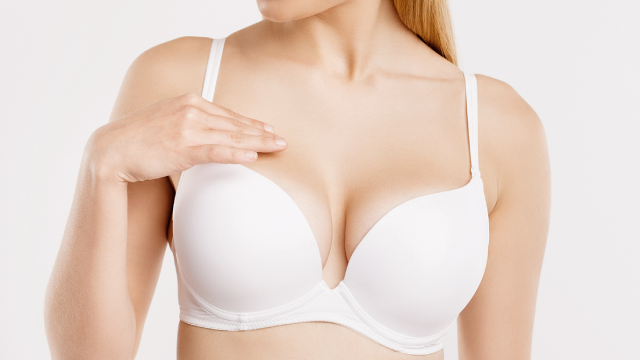
Medically reviewed by Dr. Kim Ki-tae, MD — Board-Certified Specialist in Plastic Surgery, Korean Society of Plastic and Reconstructive Surgeons; Director and founder, TAE Plastic Surgery Clinic TAE Plastic Surgery Clinic, Haeundae-gu, Busan
Breast augmentation in Busan is surgery that increases breast volume and improves breast shape and symmetry, usually with an implant and in selected cases with the patient's own fat. At TAE Plastic Surgery Clinic in Haeundae-gu the operation is planned from a measured assessment of the breast and chest wall rather than from a target cup size. This is the procedure for volume; if the problem is where the breast sits rather than how much of it there is, the clinic treats that as a different operation.
What Is Breast Augmentation?
Breast augmentation is a surgical procedure designed to increase breast volume and improve breast shape and symmetry.
Depending on your anatomy and goals, augmentation may use breast implants or, in selected cases, your own fat.
Implants are placed through an incision, commonly under the breast fold, around the areola, or through the armpit.
Implant placement may be under the chest muscle or behind the breast tissue, depending on anatomy and goals.
The technique, the implant type or volume, and the placement are all determined after an individual consultation.
Where implants are selected, implant characteristics such as size, shape, profile and surface are considered during treatment planning.
Patients ask for this operation for a small set of reasons. Some want more breast volume or better breast proportions. Some want to address a difference in size between the two breasts. Some want to restore volume that changed after weight loss, pregnancy, breastfeeding or aging. International patients often add a fourth reason — access to a personalized surgical plan rather than a standard one.
The clinic's stated approach is to assess skin condition and the underlying tissue structure together, because the two determine what any single treatment can realistically achieve. Applied to augmentation, that is the reason the assessment covers the chest wall and the skin envelope, not only the breast itself.
Who Performs Breast Augmentation at TAE Plastic Surgery Clinic
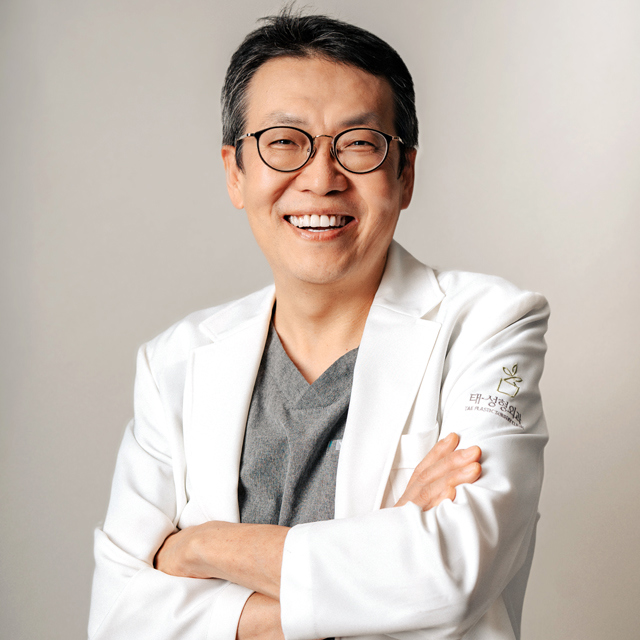
**Dr. Kim Ki-tae
**Board-Certified Plastic Surgeon
Breast augmentation is performed by Dr. Kim Ki-tae, the clinic's founder and sole doctor and the listed performing doctor for the parent Breast Plastic Surgery specialty.
Breast surgery is one of his documented core specializations, listed alongside liposuction and body contouring, fat grafting and lifting procedures. The clinic also names breast augmentation among its top procedures for the US market, which is a statement about demand from this patient group specifically rather than about the clinic's overall caseload.
Dr. Kim Ki-tae holds the Board-Certified Specialist designation in Plastic Surgery issued by the Korean Society of Plastic and Reconstructive Surgeons. He graduated from Inje University College of Medicine and trained as a Clinical Fellow in the Department of Plastic Surgery at Pusan National University from March 2003 to February 2004. He founded TAE Plastic Surgery Clinic in 2005 and has practised there ever since.
He chairs the Academic Committee of the Laser Plastic Surgery Research Group at the Korean Society of Plastic and Reconstructive Surgeons, sits on that society's Academic Committee, serves on the Legislation Committee of the Korean Association of Plastic Surgeons, and is General Affairs Director of the Busan Medical Association. He is a full member of the American Society for Laser Medicine and Surgery, an international member of the American Society of Plastic Surgeons, and a full member of the International Confederation for Plastic, Reconstructive and Aesthetic Surgery.
TAE Plastic Surgery Clinic is a single-doctor clinic, so the surgeon who assesses you is the surgeon who treats you. His full profile is on the doctor page. Augmentation is one of five procedures in the clinic's Breast Plastic Surgery specialty.
Breast Augmentation Options and Types Available
The clinic does not offer one augmentation. It offers a set of decisions, each made from the same assessment.
| Decision | Options the clinic works with | What it is decided from |
|---|---|---|
| What adds the volume | Breast implant, or the patient's own fat in selected cases | Anatomy, goals, and how much volume is wanted |
| Where the incision goes | Under the breast fold, around the areola, or through the armpit | Breast anatomy and the planned technique |
| Where the implant sits | Under the chest muscle, or behind the breast tissue | Anatomy and the intended result |
| Which implant | Selected by size, shape, profile and surface | Treatment planning after the pre-operative assessment |
That planning is unusually explicit here. The clinic states that it evaluates approximately 30 factors before surgery, including breast shape, nipple position, inframammary fold height, skin thickness and rib cage shape. Pre-operative examinations and Body Balance Design are then used to settle the implant size, the implant type, the insertion site and the surgical method. The rib cage measurement is the one patients rarely expect, and it is the one that most often explains why a requested implant is not the implant that gets used.
Who Is a Good Candidate for Breast Augmentation?
Augmentation may suit you if
You are dissatisfied with breast size or with asymmetry, and want increased volume or better proportions.
You want an approach built around your body type, breast characteristics and desired shape rather than a standard plan.
You are in good overall health.
You have realistic expectations and understand the benefits and the risks of implant surgery.
Your breast shape, nipple position, skin thickness, inframammary fold height and rib cage shape support the plan you want.
Surgery may need to be postponed or avoided if
Pregnancy or breastfeeding applies to you at the moment.
An uncontrolled medical condition could raise your surgical or anesthesia risk.
There is an active breast infection, or an untreated breast problem.
The result you are expecting is not a realistic one.
A breast condition, or being medically unfit for elective surgery, makes waiting the safer course.
Smoking and certain medications or health conditions can also affect surgical planning and healing, so they are reviewed before anything is scheduled. The final decision is made by the doctor after an individual medical assessment. Independent patient-facing background on this operation is published by the American Society of Plastic Surgeons (ASPS).
What to Expect: Procedure, Recovery, and Results Timeline
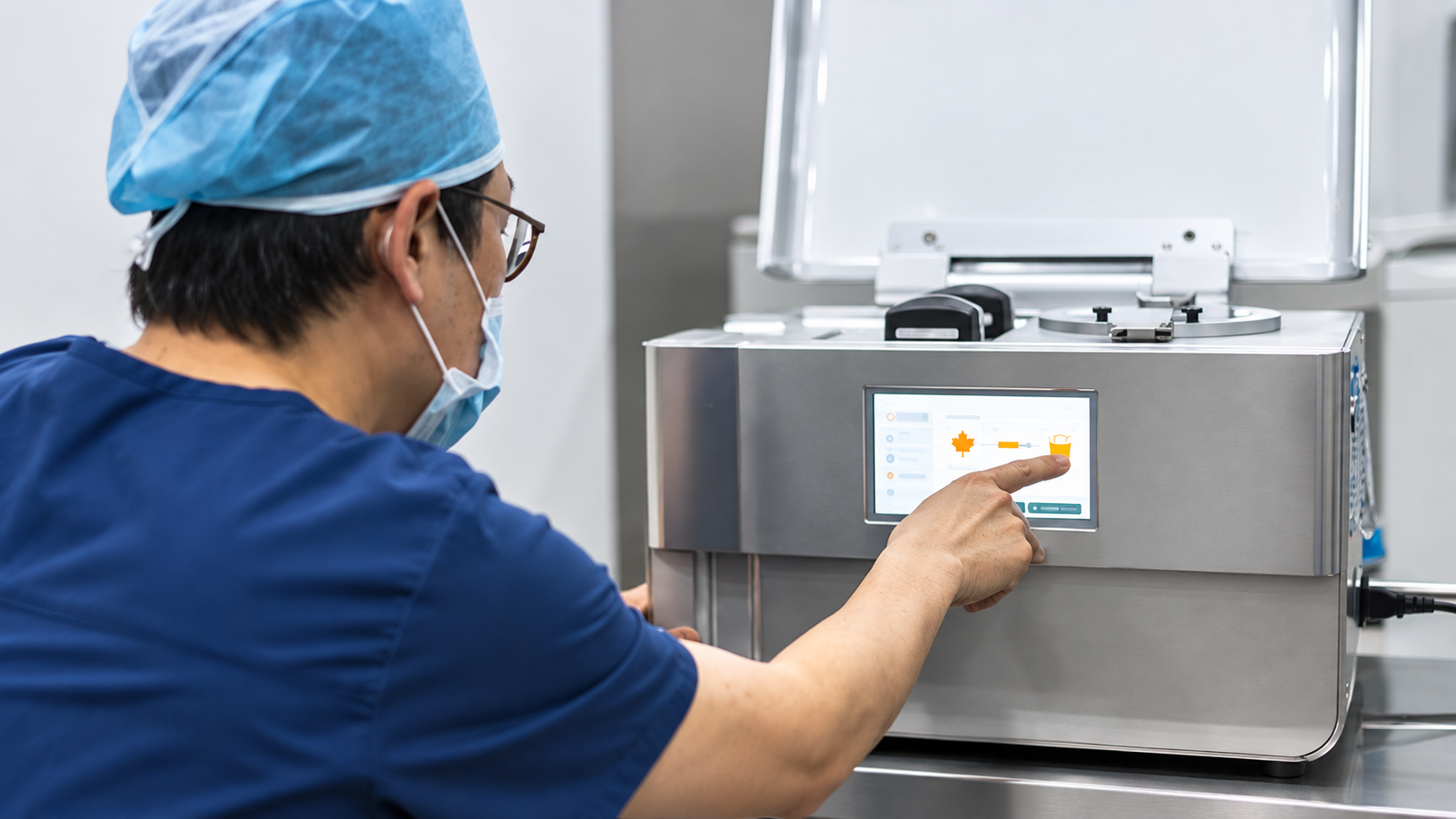
The consultation assesses breast size, shape, symmetry, skin condition, medical history and your goals. The surgeon then discusses the augmentation method, the implant options where they apply, and the expected result. Routine examinations may be needed, and you will be given instructions covering medication, smoking, alcohol and food.
Preparation has a two-week shape to it. Blood-thinning medication and supplements are usually stopped one to two weeks ahead, under medical guidance. Fish oil and vitamin E are the supplements most often named. Alcohol and smoking are avoided over the same period. Fasting is required before anaesthesia. Routine pre-operative blood tests are completed beforehand. Chronic conditions and regular medication should be raised at consultation, not on the day.
On the day, the sequence is fixed. The surgical plan and the augmentation method are confirmed. The area is prepared and marked. An incision is made in the location selected for your anatomy and planned technique. A pocket is created where an implant is used. The implant is positioned, and breast shape and symmetry are assessed on the table. The incision is closed carefully. You are then monitored through initial recovery and given post-operative instructions.
Augmentation commonly takes around one to two hours, though the actual duration varies with the technique, the implant placement, your anatomy, and whether another procedure is done at the same time. It is commonly performed under general anesthesia, with the specific plan set according to the procedure, your health and the medical team's assessment.
| Stage | What to expect |
|---|---|
| First few days | Discomfort, tightness, swelling, bruising and soreness are at their most noticeable |
| Week one to ten days | Most patients are back to light daily activity; swelling and bruising settle |
| Around one to two weeks | The surgeon reviews healing; long-haul flight timing is confirmed at this check |
| Two to four weeks | Strenuous exercise, heavy lifting, alcohol, smoking and direct pressure on the breasts are still avoided |
| Weeks to months | Implants settle and the breasts look progressively more natural |
| Around three months | Residual swelling has resolved and the settled result can be assessed |
A change in breast size is visible immediately, but the early appearance is affected by swelling and by where the implants sit at first. Implants may initially feel firm or sit high. The result at three months is described by the clinic as long-lasting to permanent, with the caveat that exact duration varies by individual skin, tissue and healing characteristics, and that implant-based augmentation may require future monitoring or additional procedures.
Aftercare is a list of restrictions rather than a routine: follow the instructions for wound care, medication, supportive garments, bathing, sleeping position and activity; keep away from heavy lifting and strenuous exercise during initial recovery; attend the follow-ups; and contact the team if unusual pain, swelling, fever or discharge develops.
If you are travelling from the United States, plan roughly one to two weeks in Korea, which covers initial healing and a check before you go home. Most patients are cleared to fly once early swelling and bruising have started to settle and the surgeon has signed off at a follow-up — often somewhere after a week to ten days, though the date is individual. Follow-up visits are typically scheduled in the first week and then over the following months to monitor healing, implant position and breast shape.
The clinic has not published a price or a price range for this procedure, so none is stated here, and cost is confirmed at consultation.
Combining Breast Augmentation with Other Treatments
Breast Lift / Sagging Breast Correction — combined with augmentation when volume alone would not address sagging.
Trinity Breast Surgery — the clinic's combined approach, where augmentation is planned together with additional techniques.
Fat Grafting & Anti-Aging — fat grafting can be used to refine breast contour and improve symmetry.
Liposuction – Face & Body — considered by some patients as part of a broader body-contouring plan.
The suitability, safety and timing of any combination are determined individually after a medical evaluation. Adding a second operation adds anaesthesia time, and that is weighed rather than assumed.
Safety, Precision, and Clinic Standards
The clinic has operated at the same address in Haeundae, Busan since 2005. TAE Plastic Surgery Clinic is a Registered Medical Institution for Attracting Foreign Patients, certified by the Ministry of Health and Welfare under the Medical Overseas Expansion and Foreign Patients Attraction Act. TAE Plastic Surgery Clinic publishes neither case volumes nor complication rates for this procedure, and this page claims neither. The clinic has not published an approved-claims list for this procedure and this market, so this page states no efficacy or outcome claim beyond what the clinic itself documents.
The clinic reports approximately 240 surgical procedures and approximately 3,600 non-surgical treatments a year; these are clinic-wide totals across everything it offers, not figures for this procedure.
The risks specific to implant surgery are worth reading one at a time. Infection and bleeding or hematoma are possible. Seroma can occur. Scarring is expected to some degree and varies by incision. Changes in breast or nipple sensation may occur. Asymmetry is possible. Implant malposition and rippling are recognized complications. Implant rupture or leakage can occur. Capsular contracture is a known implant-related complication. Some patients require additional surgery.
Long-term implant considerations should be discussed with the surgeon rather than read off a page. The US Food and Drug Administration maintains independent public information on breast implants, including device risks and what patients should know before choosing one (FDA). Neither the FDA nor ASPS is affiliated with this clinic, and neither endorses it.
The clinic states directly what it cannot promise: an exact breast size, shape, symmetry, sensation or scar appearance, or a completely natural-looking result. Results also change over time with aging, weight change and pregnancy.
The Bottom Line
Breast augmentation adds volume; a lift repositions existing tissue. The clinic lists them as two separate services and chooses between them at consultation.
Planning here is measurement-led — the clinic states it evaluates approximately 30 factors, including rib cage shape and inframammary fold height.
The operation commonly takes around one to two hours and is commonly performed under general anesthesia.
Plan roughly one to two weeks in Korea; most patients are cleared to fly after a follow-up check somewhere past the one-week mark.
The settled result is generally assessed at around three months.
Capsular contracture, rupture, malposition and the need for further surgery are recognized implant risks, and the clinic says so.
FAQ
Am I a good candidate for breast augmentation?
You may be if you are a healthy adult who wants more breast volume or better proportions and holds realistic expectations about implant surgery. The clinic plans the operation from breast shape, nipple position, skin thickness, inframammary fold height and rib cage shape. Final suitability is confirmed by the doctor at consultation.
How long does the surgery take?
Around one to two hours is common. The actual time depends on the technique, where the implant is placed, your anatomy, and whether another procedure is performed in the same session. A combined operation runs longer.
What anesthesia is used?
Breast augmentation is commonly performed under general anesthesia. The specific plan is set according to the procedure, your health and the medical team's assessment. It is confirmed with you before surgery rather than on the day.
When will the result look settled?
Size changes immediately, but swelling and initial implant position affect how it looks for some weeks. The breasts generally look more natural as swelling decreases and the tissues settle. The clinic describes the settled result as typically visible at around three months.
How does augmentation differ from a breast lift?
Augmentation adds volume with an implant. A lift repositions existing tissue and removes excess skin without adding volume. If sagging is the main concern, augmentation alone will not correct it, which is why the two are sometimes combined.
What should I avoid before and after surgery?
Beforehand, avoid blood-thinning medication and supplements such as fish oil or vitamin E, along with alcohol and smoking, for around two weeks. Afterward, avoid strenuous exercise, heavy lifting, alcohol, smoking and direct pressure on the breasts for roughly two to four weeks. The clinic's written aftercare guidance sets out the specific timeline.
What documents should I send before travelling?
Standardized photographs of the treatment area and a relevant medical and treatment history are typically needed. If you have had previous breast surgery, send those records as well. The exact list, angles and file requirements are confirmed once the initial assessment begins.
Will there be follow-up after I return home?
Follow-ups are typically scheduled during the first week and over the following months to monitor healing, implant position and breast shape. For international patients, one of those happens in person before departure and the rest are handled remotely. Photographs of any concern can be sent for review before next steps are advised.
Book a Consultation at TAE Plastic Surgery Clinic
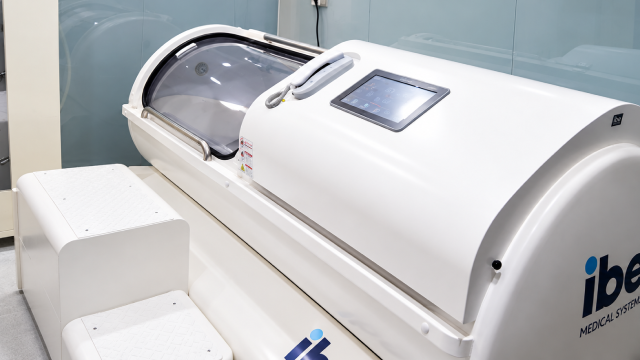
Breast augmentation in Busan is performed at TAE Plastic Surgery Clinic, where the implant, the incision and the placement are decided from your own measurements. English-speaking assistance is available for both online and in-person consultations, and consultations are arranged through the clinic's contact page. Online consultation is available, so a first review can happen before you book travel. TAE Plastic Surgery Clinic is at 4th Floor, Gunam Building, 27 Gunam-ro, Haeundae-gu, Busan, South Korea, and opens Monday to Friday from 09:00 to 18:00 and Saturday from 09:00 to 13:00, closed Sundays and public holidays.
Disclaimer
This page is for general informational purposes and does not constitute individualized medical advice. Candidacy, technique, anaesthesia and outcome can only be determined in an in-person consultation with a qualified doctor. Individual results vary.
References
American Society of Plastic Surgeons — Breast Augmentation
US Food and Drug Administration — Breast Implants